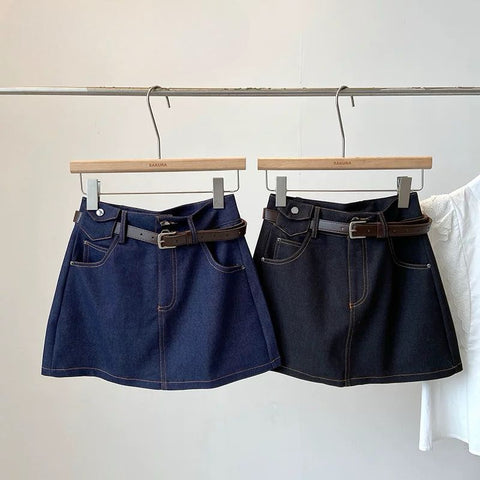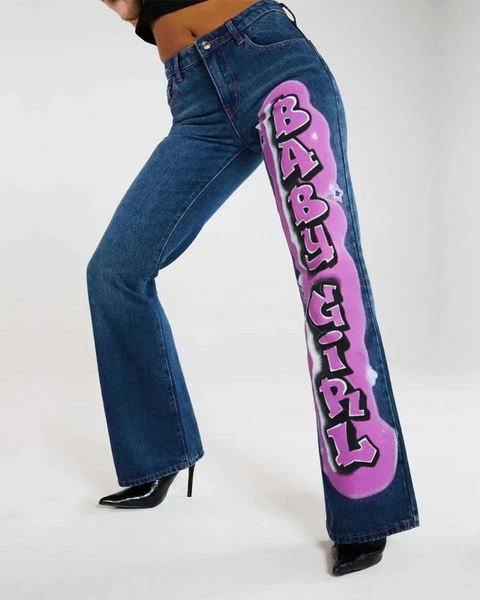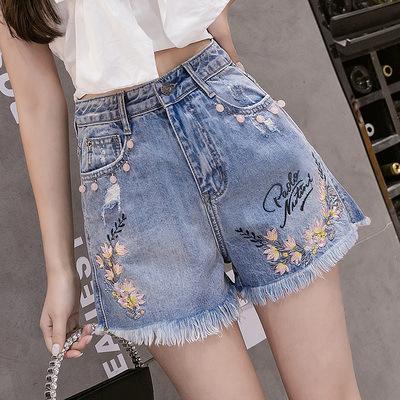
Denim is a durable cotton fabric used in a variety of garments, while jeans are specific pants made from denim. Denim can appear in jackets, skirts, and accessories, whereas jeans are designed with reinforced stitching, rivets, and classic cuts. Understanding the difference between denim and jeans helps you shop wisely and style outfits with confidence.
At its core, the difference between denim and jeans is about material versus garment. Denim refers to a distinctive woven fabric celebrated for strength and texture, while jeans are a type of apparel constructed from denim with functional design details. For fashion‑minded women who enjoy versatile dressing, from holiday ensembles to everyday outfits, understanding this distinction can elevate how you shop, wear, and style your clothes.
What is Denim? A Complete Fabric Overview
Origin and History of Denim
Denim has a long history that dates back to 17th-century Europe. Originally, it was made as a sturdy workwear fabric, suitable for miners and laborers because of its durability. The fabric gained global recognition through the American West, becoming synonymous with rugged yet practical clothing. Over the decades, denim has transcended workwear to become a fashion staple for people of all ages, reflecting casual elegance, street style, and designer innovation.
How Denim is Made
Denim is created using a twill weave, which produces a diagonal pattern on the fabric. This weaving technique gives denim its characteristic strength and texture, making it ideal for garments that require durability and structure. The yarns in denim are dyed with indigo, creating the classic blue shades, although modern denim is available in various colors and finishes.
Types of Denim Fabrics
Denim is versatile, and understanding its variations is crucial for choosing the right garment:
Raw Denim
- Untreated and stiff fabric
- Softens naturally with wear and washes
Stretch Denim
- Blended with elastane or spandex for flexibility
- Offers comfort for long hours of wear
Selvedge Denim
- Premium woven fabric with clean edges
- Extremely durable and resistant to fraying
Denim is more than just a material for jeans; it forms the backbone of jackets, skirts, dresses, and accessories, making it an essential fabric in modern wardrobes.
What Are Jeans? The Garment Explained
Evolution of Jeans
Jeans first appeared as rugged work pants for miners and laborers in the 19th century. Their durability, comfort, and practicality made them popular among workers, and over time, jeans became a fashion icon. Designers have since reinvented jeans in countless styles, fabrics, and finishes, making them a universal garment that is both casual and fashionable.
Key Features of Jeans
Jeans are distinguishable from other garments made from denim due to specific design elements:
- Stitching that reinforces seams and ensures durability
- Rivets on stress points for added strength
- Waistbands, pockets, and belt loops designed for functionality
Popular Types of Jeans
Jeans come in various fits and cuts that cater to different fashion tastes and body types. Whether you are looking for denim jeans for girls or denim jeans for women, finding the right fit is essential:
- Skinny: Slim, tight-fitting design
- Straight: Classic fit with a uniform width
- Wide-leg: Relaxed fit for casual or statement looks
- Flared: Retro-inspired, bold silhouette
By understanding these differences, it becomes easier to choose the right denim jeans pant that matches your style and comfort requirements.
Key Difference Between Denim and Jeans
Understanding the difference between denim and jeans is simple when broken down:
Denim
- Fabric used in multiple garments including jackets, skirts, and dresses
- Versatile and suitable for different styles and occasions
- Available in various weights, colors, and finishes
Jeans
- Specific type of pants made from denim
- Structured and reinforced with stitching and rivets
- Designed in multiple fits and silhouettes for casual or semi-formal use
Remembering this distinction allows you to explore denim beyond jeans, incorporating the fabric into jackets, dresses, skirts, and accessories.
Why People Confuse Denim and Jeans
The confusion arises because denim is primarily associated with jeans in everyday language. Retail marketing also reinforces this shorthand, often referring to jeans simply as “denim.” Additionally, casual conversation among fashion enthusiasts tends to use the words interchangeably, making it easy to overlook that denim itself is a fabric with a variety of applications beyond pants.
How Denim is Used Beyond Jeans
Denim is not limited to pants; it appears in a wide range of garments and accessories:
- Jackets and blazers for casual or layered looks
- Types of dresses and types of dresses for girls for daytime or evening occasions
- Types of skirts ranging from mini to midi styles
- Accessories such as bags, hats, and even footwear
Expanding your wardrobe with different denim pieces allows more creativity and versatility in styling.
How to Choose Between Denim Styles
Based on Occasion
Selecting denim depends heavily on the event or setting:
- Casual: Straight-leg jeans, denim skirts, or relaxed jackets
- Party: Denim dresses or tailored denim jackets with embellishments
- Travel: Stretch denim for comfort and easy mobility
Based on Body Type
Different denim cuts complement different body shapes:
- Slim-fit jeans elongate the legs
- Wide-leg jeans balance proportions
- Tailored jackets add structure without bulk
Based on Fabric Comfort
Fabric choice determines comfort and usability:
- Soft, stretch denim allows ease of movement
- Rigid denim provides a structured, formal look
- Lightweight denim is suitable for layering in warmer climates, often paired with various types of sweaters womens wardrobes include.
Fabric Quality and Comfort Recommendations
High-quality denim ensures comfort, longevity, and style:
- Breathable fabrics keep you comfortable throughout the day
- Durable twill weaves prevent quick wear and maintain shape
- Stretch vs rigid denim: Choose based on activity level and style preference
Investing in premium denim also means investing in wardrobe staples that remain fashionable for years.
Styling Denim in the Modern Era
Denim offers limitless styling possibilities for contemporary fashion:
- Day Looks: Light denim jackets over casual dresses or tops. Learning how to style denim skirt outfits can add a fresh touch to your daily rotation.
- Evening Looks: Dark denim jeans paired with tailored blazers or chic tops
- Travel Styling: Stretch denim with versatile layering pieces for comfort and elegance
Understanding how to style denim helps maximize its versatility while highlighting personal fashion sensibilities.
Why Modern Women Value Versatile Denim Pieces
Today’s wardrobes prioritize multi‑functional fashion that transitions across settings. Pankh’s design philosophy revolves around blending boho‑chic, urban sophistication, and effortless wearability, making denim pieces that work for everyday activities as well as expressive style moments. Denim works beautifully with Pankh’s aesthetic because it naturally adapts to global trends while maintaining classic appeal.
Where to Find Stylish Denim Looks That Elevate Your Wardrobe
When shopping for denim pieces, look for comfort, quality fabric, and silhouettes that adapt to different occasions. Pankh’s denim collection features:
- Denim dresses that strike a balance between casual and modern fashion
- Denim co‑ord sets that provide cohesive styling in one look
- Denim tops and jackets that bring structure and trend‑forward details
These options show how the difference between denim and jeans can be translated into layered, contemporary outfits without sacrificing comfort.
Final Thoughts
The difference between denim and jeans is foundational yet powerful in shaping how you build your wardrobe. Denim represents the fabric’s enduring versatility, while jeans are a celebrated application of that fabric. Embracing both allows you to craft looks that speak to your personal style and lifestyle needs.
Explore Pankh’s range of denim‑inspired pieces and discover stylish options that move beyond basic jeans into garments that empower your everyday fashion choices and elevate your wardrobe effortlessly.
Frequently Asked Questions
Q1: How can I tell the difference between denim and jeans?
A: Denim is the fabric used in multiple garments, while jeans are specifically pants made from denim with reinforced stitching, rivets, and specific fits.
Q2: Can denim be used for garments other than jeans?
A: Yes, denim is highly versatile and can be used for jackets, dresses, skirts, and accessories.
Q3: Is denim only for casual wear?
A: No, denim can be styled for casual, semi-formal, and even party occasions depending on cut and design.
Q4: Will investing in premium denim improve my wardrobe?
A: Yes, high-quality denim lasts longer, retains color, and elevates everyday outfits with a polished look.
Q5: What types of denim fabrics are most popular?
A: Raw denim, stretch denim, and selvedge denim are the most common, each offering unique comfort, durability, and style.
Q6: Why do people confuse denim and jeans so often?
A: Everyday language, marketing shorthand, and casual usage often refer to jeans as denim, causing confusion.
Q7: How should I choose the right denim style for my body type?
A: Slim fit elongates legs, wide-leg balances proportions, and tailored jackets provide structured layering without adding bulk.
Q8: What makes jeans different from other garments made from denim?
A: Jeans are specifically designed pants with reinforced stitching, rivets, and waistband construction, distinguishing them from jackets, skirts, or dresses made from the same fabric.