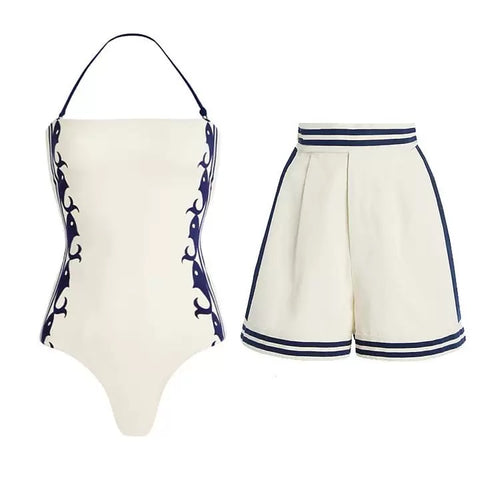
To take care of swimwear, rinse it in cool water after every swim, hand wash it gently with mild detergent, avoid wringing and harsh chemicals, and air-dry it away from excessive heat and direct sunlight. Store it only when completely dry, and rotate your swimwear to reduce repeated wear.
A good swimwear care routine starts with one simple habit: rinse your swimsuit after every swim. Then wash it gently, avoid twisting or high heat, and let it air-dry properly. These small steps help protect its colour, shape, and stretch. But what else can keep your favourite beachwear ready for the next escape?
Why Does Swimwear Need Special Care?
Ladies Swimwear has a tougher holiday schedule than most clothes. A single beach or pool day can expose it to chlorine, saltwater, sunscreen, sweat, sand, and strong sunlight. Add repeated washing, drying, and friction, and the fabric can gradually lose some of its original look and feel.
That is why how to take care of womens swimwear is less about complicated laundry routines and more about consistent, gentle habits.
Pankh's Swimwear & Beachwear collection brings together bikinis, monokinis, coordinated swim sets and resort-ready layers designed for vacation wardrobes. Taking care of these pieces properly helps you enjoy them across more beach days, pool afternoons and getaways.
Chlorine Can Be Hard on Swimwear
Pool water often contains chlorine and other chemicals used for sanitation. Repeated exposure can contribute to changes in colour and the performance of stretchy swimwear materials over time.
A quick rinse with fresh water after swimming helps remove pool water before it remains on the fabric for hours.
Saltwater and Sand Add Another Layer of Wear
Ocean swims leave salt and fine sand behind. Sand can also create friction when you sit, move, or dry off.
Instead of rubbing sand aggressively into the fabric, rinse the swimsuit gently with fresh water and allow the water to carry away loose particles.
Sunscreen, Sweat and Body Oils Matter Too
Sunscreen is essential for a day outdoors, but residues can transfer onto beach swimwear. Sweat and body oils can also accumulate during long, warm days.
This is another reason to make washing part of your regular routine rather than waiting until your swimsuit visibly looks dirty.
Heat Can Affect Delicate Swim Fabrics
A hot car, heated dryer or prolonged exposure to strong sunlight may be unnecessarily harsh on many swimwear fabrics. When in doubt, follow the care label and choose gentle, controlled drying.
How to Take Care of Swimwear: 8 Essential Swimsuit Care Tips
The best swimsuit care tips are simple enough to follow every time you swim.
1. Rinse Your Swimwear After Every Use
This is one of the easiest ways to start how to take care of swimwear correctly.
As soon as practical after swimming, rinse the swimsuit with cool or cold fresh water. This helps remove chlorine, salt, sunscreen and sweat before they remain on the fabric.
If you are still at the beach or pool, don't leave the swimsuit bundled up in a wet towel or stuffed into a closed bag for the rest of the day. Give it a proper rinse when you can.
2. Learn How to Wash Swimwear Gently
When learning how to wash swimwear, think “delicate,” not “deep clean.”
Hand washing is generally a good option for swimsuits. Use cool water and a mild detergent suitable for delicate clothing. Gently move the swimsuit through the water and pay attention to areas where sunscreen, sweat or other residue may have collected.
Avoid aggressive scrubbing. The goal is to clean the garment without putting unnecessary stress on its fibres or decorative details.
Always check the garment's care label first, particularly for embellished or structured pieces.
3. Never Wring or Twist Your Swimsuit
It can be tempting to twist a wet swimsuit to remove water quickly, but aggressive wringing puts unnecessary tension on the fabric.
Instead, gently press out excess water. You can also place the swimsuit between clean towels and press lightly before leaving it to dry according to its care instructions.
4. Air-Dry It Carefully
Drying is an important part of how to take care of swimwear.
After washing, allow your swimsuit to air-dry according to its care label. Keep it away from excessive heat and avoid prolonged exposure to harsh, direct sunlight.
For many swimwear pieces, gentle air-drying is a better everyday habit than relying on high-heat drying methods.
5. Keep Harsh Chemicals Away
Bleach and unsuitable cleaning products have no place in a delicate swimwear routine unless the garment's care instructions specifically say otherwise.
Choose a mild detergent and avoid adding unnecessary fabric treatments. If you are unsure whether a product is suitable, check its label before using it on your swimsuit.
6. Watch Out for Rough Surfaces
A swimsuit can encounter plenty of rough surfaces during a holiday: pool edges, concrete, rocks, textured loungers and wooden benches.
Repeated friction can contribute to surface wear, especially when you sit or move across a rough surface.
A simple towel underneath you can create a useful barrier between the swimsuit and the surface.
7. Rotate Your Swimwear
If you're heading away for several days, pack more than one swimsuit. Rotation gives each piece time to be rinsed, washed, and completely dried before it is worn again.
Pankh offers a variety of silhouettes and coordinated sets, including the Pankh Gale Floral One Off Shoulder Monokini & Shorts Swim Set, Pankh Ponelo Floral Padded Monokini and Skirt Swimwear Set, and Pankh Emel Sunlit 3D Floral Bikini & Ruffle Skirt Set.
Having a few options also makes vacation dressing more versatile.
8. Give Detailed Pieces Extra Attention
Statement swimwear often includes embellishments, textured finishes, tassels, shells, or decorative elements. These pieces deserve a gentler approach during washing and storage.
For example, the Pankh Qayee Shell & Sequin Embelished Crochet Top features decorative detailing that calls for mindful handling. Avoid pulling at embellishments, rubbing the surface aggressively, or storing it where decorative elements can catch on other clothes.
Explore, beach type dresses for better beach look.
How to Wash Swimwear Without Damaging It
Knowing how to wash swimwear properly can make your post-beach routine much easier. Follow these basic steps:
-
Rinse first: Use cool fresh water to remove chlorine, salt, and surface residue.
-
Prepare a gentle wash: Use cool water and an appropriate mild detergent.
-
Hand wash: Move the garment gently through the water rather than scrubbing vigorously.
-
Rinse thoroughly: Remove detergent residue with fresh water.
-
Press out excess water: Never aggressively wring or twist the fabric.
-
Dry carefully: Air-dry according to the care label and avoid unnecessary heat.
A Simple Do-and-Don't Guide
|
Do |
Don't |
|
Rinse after swimming |
Leave a wet swimsuit in a closed bag |
|
Use mild detergent |
Use harsh chemicals unnecessarily |
|
Hand wash gently |
Scrub aggressively |
|
Press out excess water |
Wring or twist |
|
Air-dry carefully |
Use excessive heat |
|
Check the care label |
Assume every swimsuit has identical care requirements |
Swimwear Storage Tips for Between Vacations
Good swimwear storage tips begin with one rule: never put a swimsuit away while it is still damp.
Store It Only When Completely Dry
After washing, make sure the entire garment is dry before folding or storing it. Pay attention to thicker, layered, or embellished areas that may take longer to dry.
Choose a Clean, Dry Storage Space
Keep swimwear somewhere clean and dry rather than leaving it in a damp bathroom or permanently inside a wet bag.
For travel, a separate waterproof pouch can be useful for carrying a wet swimsuit temporarily. Once you return, remove it, rinse it and let it dry properly.
Keep Embellished Pieces Separate
Decorative details can catch on zippers, hooks or rough fabric. Give statement pieces enough space so they are not rubbing against other garments in a packed drawer.
Avoid Crushing Structured Pieces
Padded or shaped swimwear should not be buried underneath heavy clothing for long periods. Store pieces in a way that allows their shape to remain undisturbed.
How to Take Care of Swimwear During a Beach Vacation
Vacation routines can make how to take care of swimwear seem harder than it actually is. The trick is to build care into the day.
At the Pool
Rinse your swimsuit with fresh water after swimming whenever possible. If you're spending several hours poolside, avoid sitting directly on rough surfaces and change out of wet swimwear when practical.
At the Beach
Shake off loose sand gently and rinse the swimsuit with fresh water. Avoid vigorously rubbing sand into the fabric.
While Travelling
Carry a separate wet bag for used swimwear, but treat it as temporary storage rather than a place to leave wet garments overnight.
For a longer holiday, rotating different swimwear options makes the routine easier. A piece such as the Pankh Lemonze Padded Monokini & Sarong Set can also provide a coordinated layer for moving between swimming and relaxed beachside moments.
Caring for Swimwear With Statement Beachwear Details
Modern vacation wardrobes often blur the line between swimwear and resort dressing. Pankh's collection includes monokinis, bikini sets, sarongs, skirts and cover-ups that can be styled beyond the water.
That makes thoughtful care even more useful. For example, the Pankh Ogayi Ombré Shell Monokini & Drape Skirt Coverup Swim Set combines a swimsuit with a coordinated cover-up, while the Pankh Beau Full Sleeve Monokini With Sarong Coverup offers another layered vacation option.
Treat each component according to its individual care instructions. A swimsuit may need different handling from a crochet, embellished, or draped cover-up.
Common Swimwear Care Mistakes to Avoid
Even a good routine can go wrong through a few everyday habits.
- Leaving swimwear wet in a bag: Moisture needs time to escape.
- Wringing the fabric: Press excess water out instead.
- Using too much detergent: More detergent does not automatically mean better cleaning.
- Using excessive heat: Follow the garment's drying instructions.
- Ignoring the care label: Different materials and construction details may have different requirements.
- Wearing one swimsuit repeatedly: Rotation is especially useful during long holidays.
- Rubbing against rough surfaces: Use a towel as a simple protective barrier.
These small changes make how to take care of swimwear much more manageable in real life.
Explore, dresses to wear on beach for a beautiful beach look.
How Often Should You Wash Swimwear?
Swimwear should be rinsed after every use and gently washed after swimming, particularly when it has been exposed to chlorine, saltwater, sunscreen, or sweat. Always follow the garment's specific care instructions.
If you've only tried on a swimsuit at home and haven't worn it in water, its washing needs may be different. For frequently used vacation swimwear, regular gentle washing is a sensible part of keeping it fresh.
Keep Your Swimwear Vacation-Ready With Pankh
A favourite swimsuit becomes part of the memories you make in it: the first morning by the pool, an afternoon at the beach, a sunset walk or an unplanned holiday dinner. Taking a few extra minutes to care for it helps keep that favourite piece ready for the next escape.
When you're ready to refresh your vacation wardrobe, explore Pankh's Swimwear & Girl Beachwear collection for expressive monokinis, bikini sets, coordinated skirts, sarongs and resort-ready layers. Pankh includes more than 200 styles across different silhouettes and beachwear dresses for ladies options.
Explore Pankh Swimwear & Beachwear and find your next vacation-ready look.
Frequently Asked Questions
Q1. How should I take care of swimwear after swimming?
Rinse it with cool fresh water after every swim, then wash it gently when needed. Avoid wringing, harsh chemicals, and excessive heat, and allow it to dry completely before storing.
Q2. Can you put swimwear in the washing machine?
Some swimsuits can be machine washed if their care label permits it. If machine washing is allowed, use the gentlest suitable cycle and follow the garment's instructions. Hand washing is often a safer choice for delicate or embellished swimwear.
Q3. Is it okay to dry a swimsuit in direct sunlight?
Short periods of drying may be fine depending on the garment, but prolonged exposure to strong direct sunlight is best avoided. Follow the care label and, where appropriate, choose gentle air-drying away from excessive heat.
Q4. Will chlorine damage a swimsuit?
Repeated exposure to chlorinated pool water can contribute to changes in colour, stretch and fabric performance over time. Rinsing your swimsuit with fresh water immediately after swimming can help remove chlorine residue.
Q5. What is the best way to store swimwear?
Make sure the swimsuit is completely dry before storing it in a clean, dry space. Keep embellished pieces from snagging on other clothes and avoid crushing structured or padded swimwear under heavy garments.
Q6. Why should you rinse swimwear after every swim?
Rinsing removes chlorine, salt, sunscreen, sweat, and other residues before they remain on the fabric for an extended period. It is one of the simplest swimsuit care tips to add to your regular beach or pool routine.
Q7. How can I make my swimsuit last longer?
Use a gentle routine: rinse after swimming, hand wash with mild detergent, avoid wringing and excessive heat, protect it from rough surfaces, rotate your swimwear, and store it only when completely dry.
Q8. What should I avoid when washing swimwear?
Avoid harsh detergents, bleach unless specifically permitted, aggressive scrubbing, wringing, and excessive heat. Always check the care label because construction, fabric and embellishments can affect the recommended washing method.