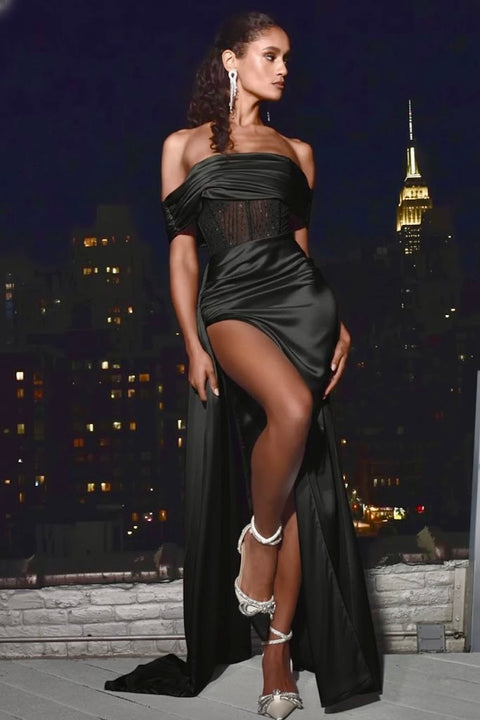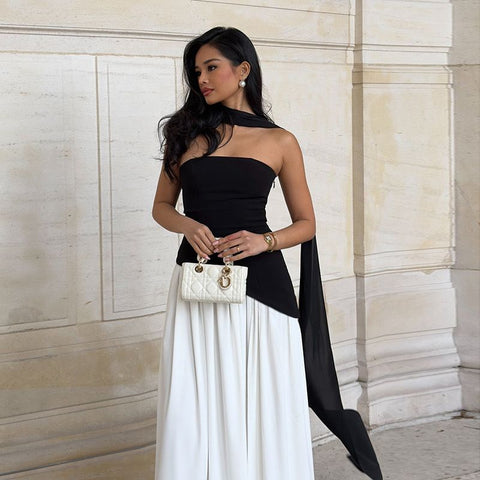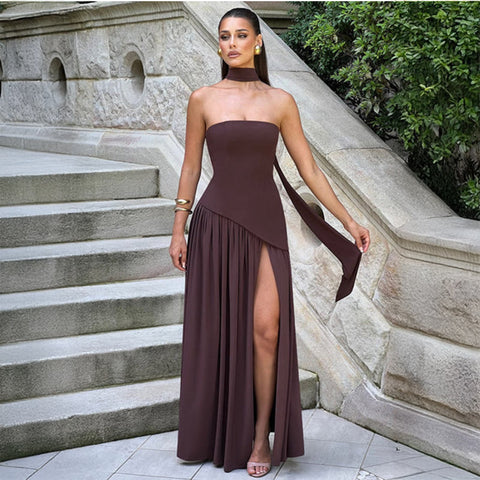
If you're wondering how to wear dupatta on gown, the best options include a single-shoulder drape, belted style, front-flow drape, cape-inspired look, or bridal trail style. The ideal draping method depends on the occasion, gown silhouette, and dupatta fabric. Lightweight fabrics like net, chiffon, and organza create the most graceful and balanced appearance.
Knowing how to wear dupatta on gown can instantly elevate your look from simple to stunning. Whether you're attending a wedding, festive celebration, engagement party, or reception, the right dupatta drape adds elegance and personality to your outfit. At Pankh, we believe that a beautifully styled gown paired with the perfect dupatta creates a timeless fashion statement that blends tradition with modern sophistication.
Why Adding a Dupatta to a Gown Elevates Your Style
A gown is already a graceful outfit, but adding a dupatta introduces an extra layer of charm and versatility. It allows you to personalize your appearance while creating a beautiful fusion of ethnic and contemporary fashion.
A well-draped dupatta can:
-
Add movement and elegance to your outfit
-
Enhance the overall silhouette of your gown
-
Create a festive or bridal-ready appearance
-
Highlight embroidery, embellishments, and detailing
-
Offer multiple styling possibilities with the same gown
This is why understanding how to wear dupatta on gown has become increasingly important for women attending weddings, receptions, and special occasions.
How to Choose the Right Dupatta for Your Gown
Before experimenting with draping styles, selecting the right dupatta is essential.
Match the Fabric Carefully
The fabric of your dupatta should complement your gown rather than overpower it.
-
Net Dupatta: Perfect for heavily embellished gowns because it adds elegance without adding bulk.
-
Organza Dupatta: Ideal for modern and structured looks. Organza creates a regal and sophisticated appearance.
-
Chiffon Dupatta: Lightweight and flowy, making it suitable for effortless draping styles.
-
Georgette Dupatta: Provides beautiful movement and is easy to manage during events.
-
Silk Dupatta: Best reserved for traditional or wedding-inspired long dresses for women.
Coordinate Colors Thoughtfully
You can choose:
-
Matching shades for a monochromatic look
-
Contrasting colors for visual impact
-
Metallic tones for evening events
-
Pastel combinations for daytime functions
Balance Embellishments
If your gown features heavy embroidery, choose a lighter dupatta. If your gown is simple, a statement dupatta can become the focal point of your look.
15 Stylish Ways to Wear Dupatta on a Gown
1. Classic Single-Shoulder Drape
One of the easiest methods for beginners. Simply place one end of the dupatta over a shoulder and allow the remaining fabric to flow naturally behind. This style works beautifully for receptions and cocktail party dress for women selections.
2. Double-Shoulder Royal Drape
Drape the dupatta evenly across both shoulders to create a regal and balanced appearance. This style is perfect for formal occasions.
3. Front Flow Dupatta Style
Allow the dupatta to fall gracefully from both shoulders toward the front. It creates a soft and elegant silhouette suitable for festive gatherings.
4. Belted Dupatta Style
Secure the dupatta at the waist with a decorative belt. This modern styling technique enhances the gown's shape while keeping the drape in place.
5. Cape Style Dupatta
Attach the dupatta at both shoulders to create a cape-inspired effect. This contemporary trend is ideal for fashion-forward occasions.
6. Side-Swept Dupatta Drape
Place the dupatta diagonally across the body and let it fall to one side for an effortlessly chic look.
7. Open Front Dupatta Style
Allow the dupatta to remain open at the front without pleating. This style beautifully showcases embellished gowns.
8. Wrist-Hold Dupatta Style
Secure the ends around the wrists for a dramatic and elegant appearance, especially during wedding functions.
9. Cross-Body Dupatta Drape
Wrap the dupatta diagonally across the torso to create structure and visual interest.
10. Bridal Trail Dupatta Style
Allow the dupatta to flow behind you like a trail. This style creates a grand entrance and works exceptionally well for brides.
11. One-Arm Dupatta Drape
Drape the dupatta over one arm while keeping the rest free-flowing for a modern and stylish finish.
12. Pleated Front Dupatta Style
Neatly pleat the dupatta and pin it in place for a polished and sophisticated appearance.
13. Head-and-Shoulder Dupatta Style
A timeless traditional option that remains popular for weddings and religious ceremonies.
14. Layered Dupatta Style
Pair multiple layers of lightweight fabric to create depth and dimension.
15. Infinity Wrap Dupatta Style
Wrap the dupatta around the shoulders in a continuous loop for a unique contemporary look.
Understanding how to wear dupatta on gown through these various styles allows you to adapt your look for different events and personal preferences.
Best Dupatta Fabrics for Different Gown Styles
| Gown Type | Recommended Dupatta Fabric | Best Occasion |
| Ball Gown | Net, Organza | Reception, Engagement |
| A-Line Gown | Chiffon, Georgette | Festive Celebrations |
| Mermaid Gown | Net, Chiffon | Cocktail Parties |
| Anarkali Gown | Silk, Organza | Traditional Functions |
| Indo-Western Gown | Organza, Net | Fashion Events |
Choosing the right combination makes it easier to master how to wear dupatta on gown while maintaining balance and elegance.
Dupatta Styling Ideas for Different Occasions
-
Weddings: Opt for bridal trail styles, double-shoulder drapes, or head-covering styles for a traditional touch.
-
Engagement Ceremonies: Belted and cape-style dupattas offer a sophisticated yet contemporary look.
-
Reception Parties: Single-shoulder and side-swept drapes create effortless elegance with premium party dresses for women.
-
Festive Celebrations: Front-flow and open-front styles provide comfort while maintaining style.
-
Sangeet and Mehendi Functions: Choose lightweight fabrics and secure draping techniques that allow easy movement.
Common Mistakes to Avoid
Even when you know how to wear dupatta on gown, certain styling mistakes can affect the final appearance.
-
Choosing Heavy Dupattas with Heavy Gowns: This can make the outfit appear bulky and uncomfortable.
-
Incorrect Color Pairing: Clashing colors can distract from the beauty of the gown.
-
Uneven Pleating: Messy pleats reduce the elegance of the drape.
-
Ignoring Body Proportions: Different draping styles complement different body shapes.
-
Over-Accessorizing: Allow the gown and dupatta combination to remain the focal point.
Expert Styling Tips
Fashion stylists often recommend keeping the overall look balanced and comfortable.
-
Use discreet pins to secure the dupatta.
-
Select lightweight fabrics for long events.
-
Coordinate jewelry with the embellishments on the gown.
-
Consider your height and body shape before choosing a draping style.
-
Practice your draping style beforehand to ensure confidence during the event.
When learning how to wear dupatta on gown, comfort is just as important as appearance.
Discover Statement Ball Gowns at Pankh
The perfect dupatta deserves an equally stunning gown. At Pankh, our collection of elegant ball gowns is designer dresses for women built for those who love sophisticated fashion with a modern edge. Whether you're attending a wedding, reception, engagement ceremony, festive celebration, or evening party, our beautifully crafted gowns help you create unforgettable looks.
Explore Pankh's exclusive ball gown collection and pair your favorite gown with the perfect dupatta drape to express your unique style with confidence and grace.
Frequently Asked Questions
Q1. How do I secure a dupatta on a gown without it slipping?
Use small safety pins or fashion tape at key points such as the shoulder and waist to keep the dupatta in place throughout the event.
Q2. How do beginners learn how to wear dupatta on gown?
The single-shoulder drape and front-flow style are the easiest options for beginners because they require minimal pleating and pinning.
Q3. Can I wear a dupatta with a western-style ball gown?
Yes. Lightweight dupattas in net, chiffon, or organza pair beautifully with western-inspired ball gowns and create an elegant fusion look.
Q4. Can I wear two dupattas with a gown?
Yes. Double dupatta styling is popular for weddings and bridal looks, adding volume, drama, and traditional appeal.
Q5. Is a belted dupatta style suitable for all body types?
A belted dupatta style works well for most body types because it defines the waist and creates a structured silhouette.
Q6. Will a heavy dupatta make my gown look bulky?
It can. If your gown already features heavy embellishments, a lightweight dupatta usually creates a more balanced and flattering appearance.
Q7. What is the most popular way to wear a dupatta on a gown?
The classic single-shoulder drape remains one of the most popular choices because it is elegant, versatile, and suitable for almost every occasion.
Q8. Why is knowing how to wear dupatta on gown important?
The right draping style enhances your overall appearance, complements the gown's design, and helps you achieve a polished and occasion-appropriate look using contemporary party wear dress elements.