Mini dresses sit above the knee, midi dresses generally fall around the mid-calf, and maxi dresses extend to the ankle or floor. The best length depends on your occasion, height, proportions, comfort, and personal style. There is no single dress length that works best for everyone.
Choosing between a mini vs midi vs maxi dress comes down to more than hemline. A mini feels playful, a midi offers polished versatility, while a maxi creates an effortless, flowing look. Pankh brings these silhouettes together for different moods and occasions. But which length actually works best for you? Let's break it down.
Mini vs Midi vs Maxi Dress: What's the Difference?
The easiest way to understand a mini vs midi vs maxi dress is to look at where the hem falls and how that length changes the overall silhouette.
|
Dress Length |
Typical Hemline |
Overall Look |
Best For |
|
Mini |
Above the knee |
Playful, youthful and bold |
Casual outings, dates, parties |
|
Midi |
Around the mid-calf |
Polished and versatile |
Work, brunch, events |
|
Maxi |
Ankle to floor length |
Flowing, elegant and relaxed |
Vacations, weddings, occasions |
These are useful guidelines rather than strict rules. A mini can be sophisticated, a midi can be playful, and a maxi can look completely casual depending on the fabric, neckline, print, fit, and accessories.
Mini Dress
A mini dress for women typically ends above the knee, drawing attention to the legs and creating a more energetic silhouette. It works particularly well when you want an outfit that feels youthful, confident and easy to style.
Midi Dress
A midi dress usually falls somewhere between the knee and ankle, with the hem often landing around the calf. Because it offers more coverage without feeling as long as a maxi, it can move easily between casual and polished settings.
Maxi Dress
A maxi dress generally reaches the ankle or falls closer to the floor. Its longer line creates a naturally graceful appearance and makes it a popular choice for holidays, summer evenings, celebrations and relaxed occasion dressing.
What Is a Mini Dress?
When comparing a mini vs midi vs maxi dress, the mini is the shortest of the three and often the most playful.
Its above-the-knee hemline makes it a natural choice for warm-weather days, casual plans and evenings when you want your outfit to have a little more impact.
A good mini does not have to mean an overly dressy look. A cotton mini with sneakers can feel effortless for daytime, while a structured or detailed mini with heels can work beautifully for a party.
When Should You Wear a Mini Dress?
Mini dresses work especially well for:
- Brunch and casual lunches
- Coffee dates
- Birthday celebrations
- Night-outs
- Summer gatherings
- Casual holidays
- Dinner dates
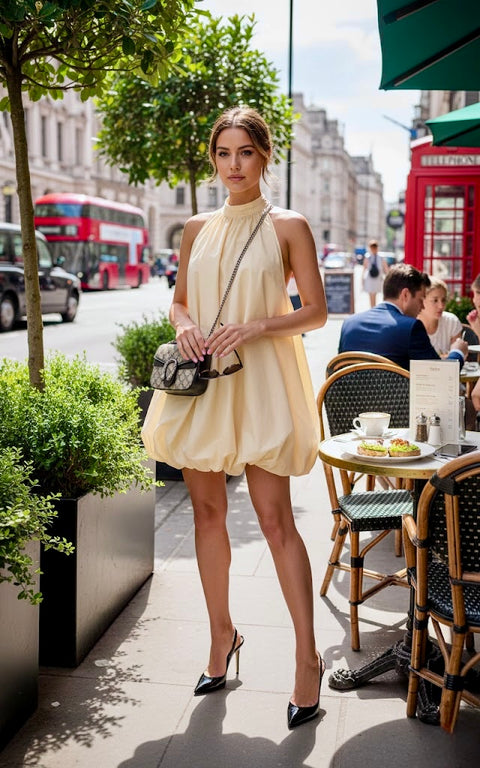
For example, the Pankh Hawty Cotton Balloon Hem Mini Dress brings a relaxed shape into the mini category, while the Pankh Valentina Ruffle Mini Dress offers a more feminine, statement-led direction.
How to Style a Mini Dress
The footwear you choose can completely change the mood. Sneakers create a relaxed, contemporary outfit. Flat sandals keep things comfortable for summer. Heels make the same silhouette feel more evening-ready.
If the dress is already detailed, keep accessories simple. With a minimal mini, statement jewellery or a structured bag can add personality without making the outfit feel overworked.
What Is a Midi Dress?
A midi is often the answer when you want versatility without committing to either a very short or very long silhouette.
In a dress length guide, midi dresses for women deserve special attention because their middle-ground hemline works across a surprisingly wide range of settings. The right midi can feel professional during the day and polished enough for dinner later.
Why Are Midi Dresses So Versatile?
Midi dresses can suit:
- Office-friendly dressing
- Brunch
- Lunch dates
- Semi-formal occasions
- Family celebrations
- Day-to-evening outfits
- Travel
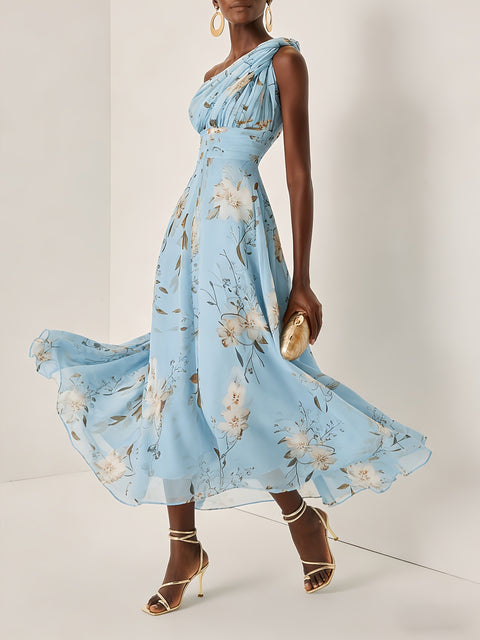
The Pankh Birky Floral One Off Shoulder Midi Dress brings a softer, feminine approach to the length, while the Pankh Dawel Cotton Gingham Back Buckle Midi Dress leans into a more structured, everyday aesthetic.
How to Style a Midi Dress
Shoes matter because the hem often sits around the calf. Heels can create a longer visual line, while sneakers give the outfit a modern, casual edge. Sandals are an easy choice for warm weather, and ankle boots can make a midi work beautifully during transitional seasons.
If the dress has a defined waist, you may not need additional accessories. If it has a relaxed shape, a small belt can subtly change the proportions.
What Is a Maxi Dress?
A maxi dress for women is the longest option in this dress length guide, usually reaching the ankle or extending close to the floor.
Long does not automatically mean formal. A lightweight cotton maxi can be perfect for a beach holiday, while a more dramatic fabric or embellished finish can suit an evening celebration.
When Should You Wear a Maxi Dress?
A maxi is particularly useful for:
- Vacations
- Resort dressing
- Beachside evenings
- Weddings
- Festive occasions
- Dinner events
- Summer days
- Travel
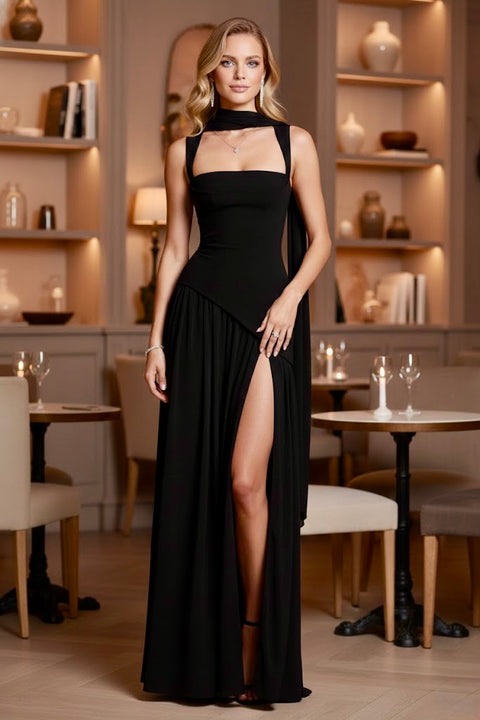
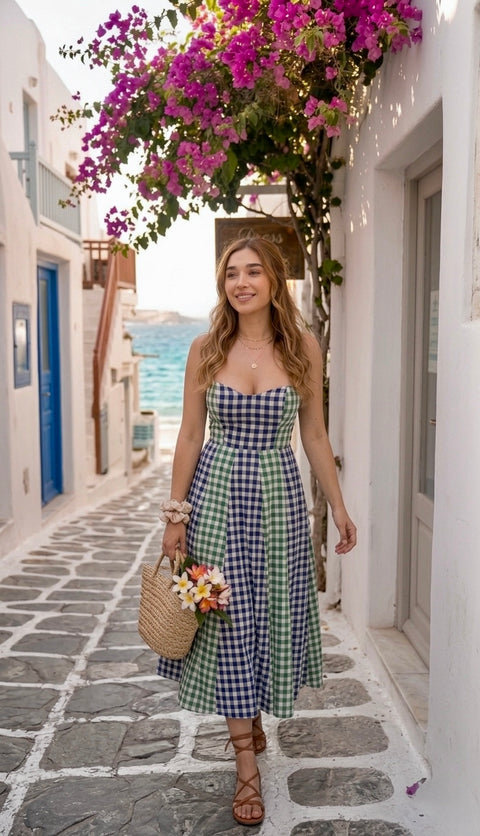
Pankh's collection includes options such as the Pankh Gysie Gingham Maxi Dress, Pankh Mizaan Elegant Maxi Dress, Pankh Kiza Elegant Maxi Dress with Scarf and Pankh Rose Luxe Maxi Dress, giving the longer silhouette different styling directions.
How to Style a Maxi Dress
For daytime, pair a flowing maxi with flat sandals, a simple bag and understated jewellery. For an evening event, heels and statement accessories can instantly elevate the look.
Pay attention to the hem as well. A maxi that is too long can become difficult to walk in, while the right length should allow comfortable movement without constantly catching under your footwear.
How to Choose Dress Length for Your Height and Proportions
Knowing how to choose dress length is more useful than following rigid fashion rules.
Your height matters, but it is not the only consideration. The position of the waist, the shape of the skirt, the fabric and the actual hemline on your body can all affect how a dress looks.
For Petite Frames
A shorter silhouette can naturally show more leg, while a well-fitted midi or carefully tailored maxi can also look excellent. The key is proportion.
If you choose a longer dress, look for a defined waist or a streamlined silhouette rather than allowing excessive fabric to overwhelm your frame.
For Taller Frames
Longer silhouettes can beautifully complement height, but that does not mean minis are off the table. A mini can highlight long legs, while a maxi can create a dramatic, uninterrupted line.
The important thing is to choose a length that feels intentional rather than simply following a height-based rule.
For Different Body Proportions
Think about where the dress creates visual emphasis.
A defined waist can add structure to a flowing silhouette. A straight or relaxed dresses for girls can create a cleaner line. A strategic neckline, sleeve and hem combination can also influence the overall balance.
Instead of asking which length is “best” for your body, ask which silhouette makes you feel comfortable and confident.
How to Choose Dress Length for Different Occasions
The occasion is often the fastest way to narrow down your options.
- For casual daytime plans: Try a mini or relaxed midi.
- For the office: A polished midi is usually an easy choice, depending on your workplace dress code.
- For a vacation: A breezy maxi, relaxed midi, or easy mini can all work.
- For a wedding: Midi and maxi styles are natural choices, depending on the venue and dress code.
- For a party: A mini, statement midi, or embellished maxi can work beautifully.
- For a dinner date: Choose based on your personal style; a fitted mini, elegant midi or flowing maxi can all create the right mood.
This is where the mini vs midi vs maxi dress decision becomes personal. There is no universal occasion rule; fabric, colour, styling and dress code matter just as much as length.
Mini vs Midi vs Maxi: Which One Should You Pick?
If you are still deciding, start with the feeling you want your outfit to create.
Choose a mini when you want something playful, energetic and statement-making.
Choose a midi when you want flexibility, polish and a silhouette that can transition between different settings.
Choose a maxi when you want flowing movement, greater coverage or an elegant, elongated appearance.
When considering maxi dress vs mini dress, the real question is not which is better. It is what you need from the outfit.
A maxi can offer more coverage and an easy sense of elegance. A mini can feel lighter, more playful and more suited to showing off your footwear. Both can be dressed up or down.
Styling Tips That Make Any Dress Length Work
The best mini vs midi vs maxi dress choice can still fall flat if the styling feels disconnected from the silhouette. A few details make a noticeable difference.
Pay Attention to Footwear
Shoes affect the visual proportion of your outfit. Heels can lengthen the appearance of the legs, while sneakers and flats create a more relaxed effect.
Consider the Waistline
A defined waist can add shape to a longer dress, while a relaxed waist creates a more effortless appearance. Try different silhouettes before deciding that a particular length does not suit you.
Think About Fabric
Fabric changes how a hemline behaves. Cotton can feel casual and structured, georgette can create movement, while heavier fabrics can give a dress more shape.
Let Accessories Support the Dress
A bold dress may only need simple jewellery. A minimal dress can become more distinctive with a statement bag, earrings or belt.
The goal is balance. Your accessories should complement the dress rather than compete with it.
Common Dress-Length Mistakes to Avoid
A useful dress length guide should also tell you what not to do.
- Choosing a length only because it is trending: Trends change. Your comfort and personal style matter more.
- Ignoring the actual hemline: A dress labelled “midi” may fall differently depending on your height and proportions.
- Forgetting the occasion: A beautiful dress can still feel inappropriate if it does not suit the setting or dress code.
- Overlooking movement: Try sitting, walking and moving your arms before committing to a dress.
- Assuming one length is universally flattering: There is no single formula. Fit, fabric, proportions and styling all influence the final look.
Explore the different types of dresses to find the perfect style for every look.
Mini vs Midi vs Maxi: A Quick Decision Guide
Still unsure? Keep it simple.
- Want a playful daytime or party look? Choose a mini.
- Want an adaptable dress for work, brunch or dinner? Choose a midi.
- Want an elegant, flowing silhouette for holidays or occasions? Choose a maxi.
- Want maximum styling flexibility? Look at the fabric and silhouette first, then decide on the hemline.
The best mini vs midi vs maxi dress is ultimately the one that works with your wardrobe, your plans and the way you like to dress.
Explore, stylish party wear western dresses for your next special occasion.
Find Your Perfect Length with Pankh
There is no need to choose between being playful, polished, or effortlessly elegant. Your wardrobe can make room for all three.
Explore Pankh's collection when you want to switch between shorter silhouettes for casual plans, versatile midis for everyday dressing, and flowing maxis for holidays, celebrations and evenings. From the Pankh Hawty Cotton Balloon Hem Mini Dress to the Pankh Birky Floral One Off Shoulder Midi Dress and Pankh Mizaan Elegant Maxi Dress, there is room to dress according to your mood rather than a fixed fashion rule.
Ready to find the length that feels most like you? Explore Pankh's dress collection and choose your next favourite silhouette.
Frequently Asked Questions
Q1. How do I choose the right dress length?
Consider the occasion, your height, proportions, comfort, footwear and personal style. The right length should feel appropriate and easy to wear.
Q2. Can petite women wear maxi dresses?
Yes. Petite women can wear maxi dresses. A well-fitted waist, suitable hemline and streamlined silhouette can help maintain balanced proportions.
Q3. Is a midi dress longer than a mini dress?
Yes. A midi dress is longer than a mini and usually falls around the calf, while a mini generally ends above the knee.
Q4. Will a mini dress work for a formal occasion?
It can, depending on the event's dress code. A sophisticated fabric, refined cut and polished accessories can make a mini appropriate for some formal settings.
Q5. What is the difference between a maxi dress and a mini dress?
A maxi reaches the ankle or floor, while a mini ends above the knee. Maxi styles generally offer more coverage, while minis create a shorter, more leg-focused silhouette.
Q6. Why are midi dresses considered versatile?
Midi dresses balance coverage and ease, making them suitable for many settings, from daytime plans and workwear to dinners and semi-formal occasions.
Q7. What dress length is best for a wedding?
Midi and maxi dresses are commonly suitable, but the invitation's dress code, venue and time of day should guide your final choice.
Q8. How should a maxi dress fit?
A maxi should allow comfortable walking without dragging excessively. The waist, shoulders and bust should sit correctly, and the hem should work with your intended footwear.