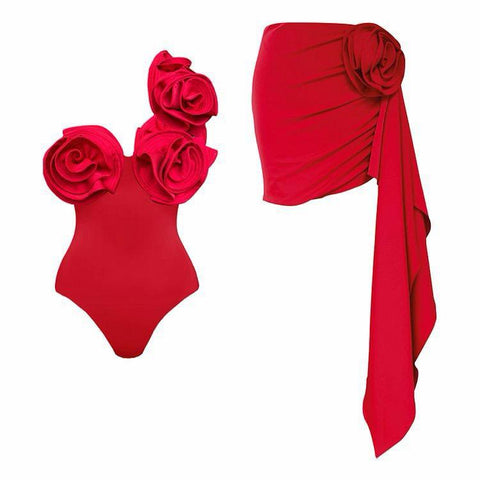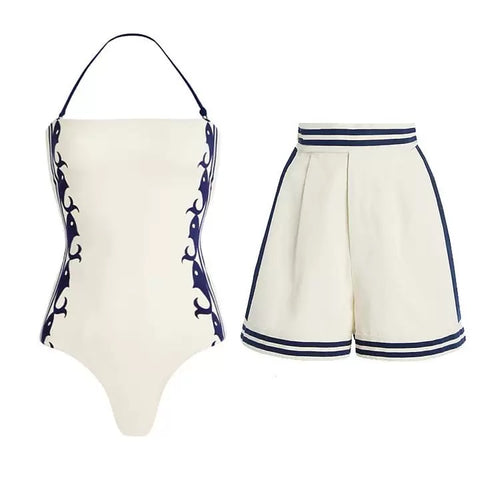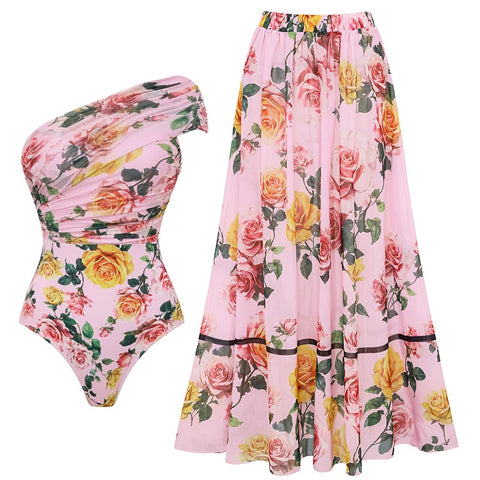
A good swimwear fabric guide starts with three essentials: stretch, shape recovery, and durability. Nylon, polyester and elastane blends are common choices, but the best fabric depends on how you plan to wear your swimsuit. Always check fabric composition, lining, construction, fit, and care instructions before buying.
Choosing the right swimwear fabric comes down to more than picking a colour or flattering silhouette. The fabric influences how a swimsuit feels, stretches, holds its shape and performs in water. Pankh brings together bikinis, monokinis and coordinated beachwear for different holiday moods and styling preferences. Read on to see what actually makes swimwear worth buying.
What Makes a Good Swimwear Fabric?
The best women swimwear should feel comfortable against the skin while offering enough stretch to move naturally and enough recovery to maintain its shape. A quality fabric should also suit the way you intend to wear the garment, whether that means swimming, relaxing by the pool or enjoying a beach holiday.
When assessing fabric quality, look for:
- Comfortable stretch without excessive looseness
- Good shape recovery after movement
- A smooth and comfortable feel
- Appropriate coverage and opacity
- Durable construction
- Quick-drying characteristics
- A fabric blend suited to swimwear
- Proper lining and secure stitching
There is no single material that is automatically the best for every swimsuit. Fibre composition, blend ratio, fabric construction and garment design all influence performance.
Swimwear Material Guide: What Are Swimsuits Usually Made From?
A useful beach swimwear material guide should begin with the fibres most commonly found in modern swimwear. Understanding what each one contributes makes it easier to compare products without relying only on appearance.
Nylon
Nylon, also called polyamide, is popular because it can feel soft, smooth and lightweight. When combined with elastane, it provides the flexible, close-to-the-body fit associated with many fashion swimsuits.
Nylon can be particularly appealing for girls beachwear where comfort, softness and a polished appearance are important.
Polyester
Polyester is valued for durability and shape retention. It is often chosen for swimwear that needs to withstand regular exposure to pool water and repeated use.
Its performance can vary depending on the construction and blend, so the fibre name alone should not be treated as a complete quality assessment.
Elastane, Spandex or Lycra
Elastane provides the stretch that allows ladies swimwear to move with the body. It is generally blended with another fibre rather than used as the primary fabric on its own.
A well-designed elastane blend can help a swimsuit feel flexible while returning towards its original shape after movement.
Recycled Fibres
Recycled nylon and polyester are increasingly used in swimwear. These materials can be part of a more considered approach to fibre sourcing, but sustainability should still be assessed alongside durability, construction and the overall life of the garment.
Explore, dresses to wear on beach for a better beautiful beach look.
Nylon vs Polyester: Which Is the Best Fabric for Swimsuits?
When comparing the best fabric for swimsuits, nylon and polyester are two of the most common options to encounter.
|
Feature |
Nylon |
Polyester |
|
Feel |
Soft and smooth |
Slightly firmer |
|
Stretch |
Excellent when blended with elastane |
Good when blended with elastane |
|
Shape recovery |
Very good |
Excellent |
|
Durability |
Good to very good |
Very good |
|
Pool use |
Suitable |
Particularly suitable for frequent use |
|
Best suited to |
Fashion-led swimwear and beachwear |
Durable, frequent-use swimwear |
The important point is that neither fibre wins in every situation. A nylon-elastane blend may be ideal when softness and flexibility are priorities, while a polyester-based blend can be a strong choice when durability and frequent pool use matter more.
The percentage of elastane, fabric construction, lining, and stitching also affect the final garment.
Why Stretch and Shape Recovery Matter in Swimwear
Stretch is essential because swimwear needs to move with your body rather than restrict it. However, stretch without recovery can leave a garment feeling loose or less supportive over time.
What Is 4-Way Stretch?
Four-way stretch means the fabric can stretch across both its width and length. This gives the garment greater flexibility as you move, bend, swim, or sit.
For fashion swimwear, this can make the difference between a swimsuit that simply looks good and one that feels comfortable throughout the day.
What Is Shape Recovery?
Shape recovery refers to the fabric's ability to return towards its original dimensions after being stretched.
Good recovery helps a swimsuit maintain its intended fit. It is particularly relevant around areas such as the bust, waist, and hips, where repeated movement can place tension on the fabric.
How to Buy Good Quality Swimwear: 8 Things to Check
Knowing how to buy good quality sexy swimwear for women makes shopping much easier. Instead of judging a swimsuit only by photographs, consider the following details.
1. Check the Fabric Composition
Look for the listed fibre composition and understand what the blend is designed to provide. Nylon or polyester combined with elastane is common because it balances the properties of the base fibre with stretch.
2. Look for Comfortable Stretch
A swimsuit should move with you without feeling excessively tight. Stretch should support movement rather than make the garment feel strained.
3. Check Shape Recovery
If you can examine the garment in person, gently stretch a section of fabric and observe how readily it returns towards its original shape. This can provide a useful indication of elasticity and recovery.
4. Assess Thickness and Coverage
Fabric should provide appropriate coverage when dry and wet. A fabric that looks opaque in a product photograph may behave differently when stretched or exposed to water.
Lining and construction therefore matter just as much as the outer fabric.
5. Examine Seams and Stitching
Neat seams and secure stitching contribute to the garment's overall finish and durability. Pay particular attention to areas that experience movement or tension.
6. Consider the Lining
Lining can improve coverage, comfort, and structure. It can also influence how a swimsuit sits against the body.
7. Match the Fabric to Your Activity
Think about where you will wear the swimsuit. A piece intended mainly for a resort holiday has different priorities from one intended for frequent pool sessions.
8. Read the Care Instructions
Even a well-made swimsuit needs appropriate care. Follow the garment's instructions for washing, drying and storage to help preserve the fabric, colour and elasticity.
Choose Swimwear Fabric Based on How You Will Wear It
Your lifestyle should influence your choice as much as the design.
|
Your priority |
What to look for |
|
Frequent swimming |
Durable fabric with strong shape retention |
|
Beach holidays |
Comfortable, flexible and quick-drying material |
|
Poolside lounging |
Comfort, style and easy movement |
|
Resort styling |
Swimwear that works with versatile cover-ups |
|
Active swimming |
Secure fit, stretch and recovery |
|
Long travel days |
Lightweight, comfortable construction |
This is where fabric knowledge becomes genuinely useful. The right choice is not simply the fabric with the most impressive-sounding specification; it is the one that suits the occasion and the way you expect to use the garment.
Does Swimwear Fabric Affect Fit and Support?
Yes, but fabric is only one part of the equation.
Support also depends on the cut, lining, straps, padding, seams and overall construction. A swimsuit with good stretch may feel comfortable, but its support will still depend on how the garment has been designed.
For example, a padded monokini and a minimalist bikini can use similarly flexible materials while providing very different levels of coverage and structure.
Pankh's collection includes varied silhouettes such as the Pankh Gale Floral One Off Shoulder Monokini & Shorts Swim Set, Pankh Ponelo Floral Padded Monokini and Skirt Swimwear Set and Pankh Venus Monokini Swimsuit With Skirt Set, showing how construction and styling can change the overall swimwear experience.
What About Swimwear Fabric Weight and Thickness?
Fabric weight, sometimes expressed as GSM or grams per square metre, indicates how much a fabric weighs for a given area.
A heavier fabric can have a denser feel, while a lighter fabric may feel more flexible. However, GSM should never be treated as a standalone measure of quality.
Fibre type, stretch percentage, knitting or weaving method, lining and garment construction all contribute to performance. A swimsuit with a heavier fabric is not automatically better than one made from a lighter material.
Also, explore beach vibes dress for a gorgeous beach look.
How to Choose the Right Fabric for Different Swimwear Styles
The swimwear fabric guide becomes more useful when you connect material characteristics with the style you actually want to wear.
Bikinis
Bikinis benefit from comfortable stretch and good recovery because smaller pieces often need to stay securely in place while allowing movement.
Pankh's Emel Sunlit 3D Floral Bikini & Ruffle Skirt Set and Pankh Kitsu High Waist Bikini and Coverup Skirt Set demonstrate how bikini styling can be combined with skirt layers for a more versatile holiday wardrobe.
Monokinis
Monokinis often combine shaping, cut-outs, or statement construction with the flexibility required from swimwear. Here, fabric recovery and comfortable stretch become especially important.
Options such as the Pankh Avaari Sheel Padded Monokini & Short Skirt Set and Pankh Rustik Monokini With Front-Slit Skirt Swimwear Set show how a single swimwear piece can be paired with an additional layer for styling beyond the water.
Three-Piece Swimwear Sets
A three-piece set can offer more styling flexibility by combining swimwear with additional pieces.
The Pankh Henry Three Piece Swimsuit Bikini With Short Set is one example from the current collection.
Sarong and Cover-Up Sets
For beach holidays, a swimsuit that transitions easily into a complete look can be especially practical. The Pankh Zesty Mocha Monokini & Tie up Sarong Set and Pankh Lemonze Padded Monokini & Sarong Set pair swimwear with cover-up elements for a coordinated look.
How to Tell If Swimwear Is Good Quality Before You Buy
If you are still wondering how to buy good quality swimwear, use this simple checklist before placing an order:
- Check the fabric composition.
- Look for comfortable stretch.
- Consider shape recovery.
- Review lining and coverage.
- Examine seam and finishing details.
- Match the swimsuit to your intended activity.
- Check the size guide carefully.
- Read the care instructions.
- Consider whether the design offers the level of support you prefer.
Quality is ultimately about how well these elements work together.
Common Swimwear Fabric Mistakes to Avoid
One common mistake is choosing a swimsuit entirely because of its colour, print or silhouette. Visual appeal matters, but the fabric determines much of the garment's comfort and performance.
Another is assuming that a thicker fabric automatically means higher quality. It does not. Similarly, a higher price does not by itself guarantee better fabric or construction.
It is also easy to overlook the difference between fashion swimwear and performance swimwear. If you plan to spend most of your time swimming, prioritise secure construction, durability and recovery. If your main purpose is a beach holiday, comfort, styling versatility and ease of movement may carry more weight.
How to Care for Your Swimwear Fabric
Good care can help preserve the qualities you looked for when buying your swimsuit.
Rinse swimwear after use, particularly after swimming, and follow the manufacturer's care instructions. Avoid unnecessary heat and rough handling, and allow the garment to dry appropriately before storing it.
Do not treat every swimsuit identically. The care label is the most reliable guide because different fabrics, finishes, and constructions can have different requirements.
Find Your Next Swimwear Favourite With Pankh
A good swimwear fabric guide can help you make a more informed purchase, but the final choice should also reflect your personal style, comfort, and holiday plans.
Pankh's Swimwear & Beachwear collection brings together bikinis, monokinis, coordinated sets, skirts, sarongs and cover-ups, giving you different ways to build a beach or resort look. From the Pankh Liam Tropical Print One-Shoulder Bikini With Tie Up Coverup Swim Set to the Pankh Beau Full Sleeve Monokini With Sarong Coverup, the collection offers styles for different preferences and occasions.
Ready for your next beach escape? Explore Pankh's Swimwear & Beachwear collection and choose a look that feels as good as it looks, whether you're heading for the pool, the beach, or your next resort getaway.
Frequently Asked Questions
Q1. What is the best fabric for swimsuits?
The best fabric for swimsuits depends on how you plan to wear them. Nylon-elastane offers softness and flexibility, while polyester-based blends can provide strong durability and shape retention.
Q2. How can you tell if swimwear is good quality?
Check the fabric composition, stretch, shape recovery, lining, stitching, coverage and construction. The garment should also fit comfortably and suit its intended use.
Q3. Can swimwear fabric lose its shape?
Yes. Repeated stretching, unsuitable care and prolonged wear can affect elasticity and recovery. Choosing a well-constructed fabric blend and following care instructions can help maintain its fit.
Q4. Is nylon or polyester better for swimwear?
Neither is universally better. Nylon is valued for softness and flexibility, while polyester is often selected for durability and frequent pool use. The blend and construction also matter.
Q5. What does 4-way stretch mean in swimwear?
Four-way stretch means the fabric can stretch in both horizontal and vertical directions, allowing greater freedom of movement and flexibility.
Q6. Will thicker swimwear fabric always be better?
No. Thickness alone does not determine quality. Fibre composition, elasticity, construction, lining, recovery and intended use are equally important.
Q7. Why does swimwear need elastane?
Elastane provides the stretch and flexibility needed for a close, comfortable fit. It also helps the garment recover its shape after movement.
Q8. What should I look for when buying a swimsuit?
Look at fabric composition, stretch, recovery, lining, stitching, fit, coverage and care requirements. Most importantly, choose based on how and where you plan to wear it.